
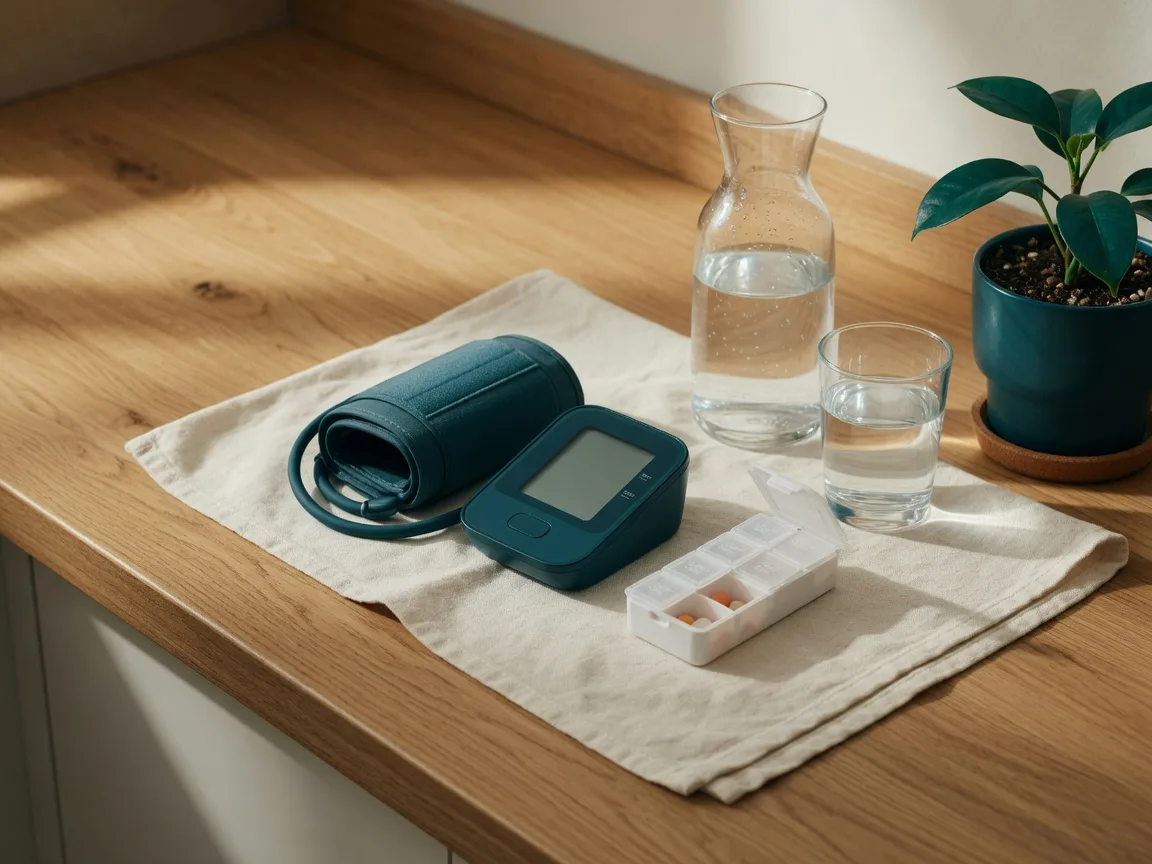
The health screenings you need change as you age, but the pattern is predictable: blood pressure checks at every office visit, cholesterol and blood sugar checks starting in early adulthood when you have risk factors, and cancer screenings such as mammograms and colorectal cancer tests beginning in your 40s and 50s. No single checklist fits everyone, which is why a primary care provider reviews your age, family history, and lifestyle to build the right screening plan. TruHealth Primary Care in Locust Grove, Georgia, uses this individualized approach for every patient.
What screenings do adults need in their 20s and 30s?
In early adulthood the focus is on establishing baselines and catching the conditions that can start silently. Blood pressure should be checked at office visits, and healthy adults with normal readings are typically rechecked every couple of years. Cholesterol screening usually begins in a person's 20s when risk factors are present, and the U.S. Preventive Services Task Force recommends blood sugar screening starting at age 35 for adults who are overweight or obese, with earlier screening for those who have risk factors such as a family history of diabetes or high blood pressure. Cervical cancer screening with a Pap test starts at age 21, and everyone should stay current on routine vaccines.
What screenings do adults need in their 40s?
The 40s are when several important cancer screenings begin, which is part of why this decade matters so much. Current USPSTF guidance recommends colorectal cancer screening starting at age 45, and in 2024 it updated its breast cancer recommendation to screening mammograms every two years for women ages 40 to 74. Blood sugar screening every three years continues for adults 35 and older who are overweight or obese, and blood pressure checks move to at least yearly. Your provider may also talk about cholesterol, thyroid, and eye health during this decade.
- Colorectal cancer screening from age 45, with options that include colonoscopy every 10 years
- Mammography every 2 years for women ages 40 to 74
- Blood sugar screening every 3 years for adults 35+ who are overweight or obese
- Yearly blood pressure checks and a review of heart disease risk factors
What screenings matter at 50 and beyond?
From age 50 on, the screening list grows and the intervals matter more. Colorectal screening continues with regular testing. Bone density screening is recommended for all women at age 65 and for younger postmenopausal women whose risk assessment shows increased risk. Adults ages 50 to 80 with a 20 pack-year smoking history who currently smoke or quit within the past 15 years should be offered yearly low-dose CT screening for lung cancer. Men ages 65 to 75 who have ever smoked are offered a one-time ultrasound to screen for abdominal aortic aneurysm, and prostate cancer screening is a shared decision between you and your provider based on your values and risk.
- Colorectal cancer screening continued at the interval that fits the test you choose
- Bone density testing for women at 65 and for younger women at higher risk
- Yearly lung cancer screening for eligible current or former smokers
- One-time abdominal ultrasound for men 65-75 who have ever smoked
- A conversation about prostate screening that reflects your risk and preferences
How often should I get a wellness visit?
Most adults benefit from a preventive visit once a year even when they feel completely well. An annual wellness visit is the time to review your history, check your numbers, update screenings and vaccines, and talk about what is changing in your life. For people on Medicare, the annual wellness visit is covered and is a practical way to keep your screening schedule on track. If you have a chronic condition, your provider may recommend follow-up visits more often than once a year.
How does primary care keep your screenings on track?
A primary care provider does more than order tests. They take the national guidelines and adapt them to you: a family history of colon cancer may move a screening earlier, a new blood pressure reading may change how often you are checked, and a recent abnormal result determines how soon you need a follow-up. That coordination is why people with a regular primary care provider are more likely to get preventive services on time. It also means one person is tracking the whole picture rather than a series of disconnected appointments.
How do I get started with screenings in Locust Grove, GA?
TruHealth Primary Care provides preventive care for patients ages 5 and up at 4631 Bill Gardner Parkway in Locust Grove, Georgia, with telehealth visits available for eligible Georgia patients. A first visit is a chance to build your screening plan around your age, family history, and health goals. To get started, schedule a visit or call 770-630-6281, and the team can confirm insurance coverage and the earliest available appointment.
Frequently asked questions
At what age should I start getting regular health screenings?
Do I need a physical every year?
What is the difference between a physical and a wellness visit?
Are screenings covered by insurance?
Can I get screenings through telehealth?
Sources and further reading
Educational purpose: This article is for general educational purposes and is not medical advice, diagnosis, or treatment. Always consult a qualified healthcare provider about your specific health situation.
About the author: Tina Jordan, MSN, APRN, FNP-C, is a board-certified Family Nurse Practitioner and the lead provider at TruHealth Primary Care in Locust Grove, Georgia.