
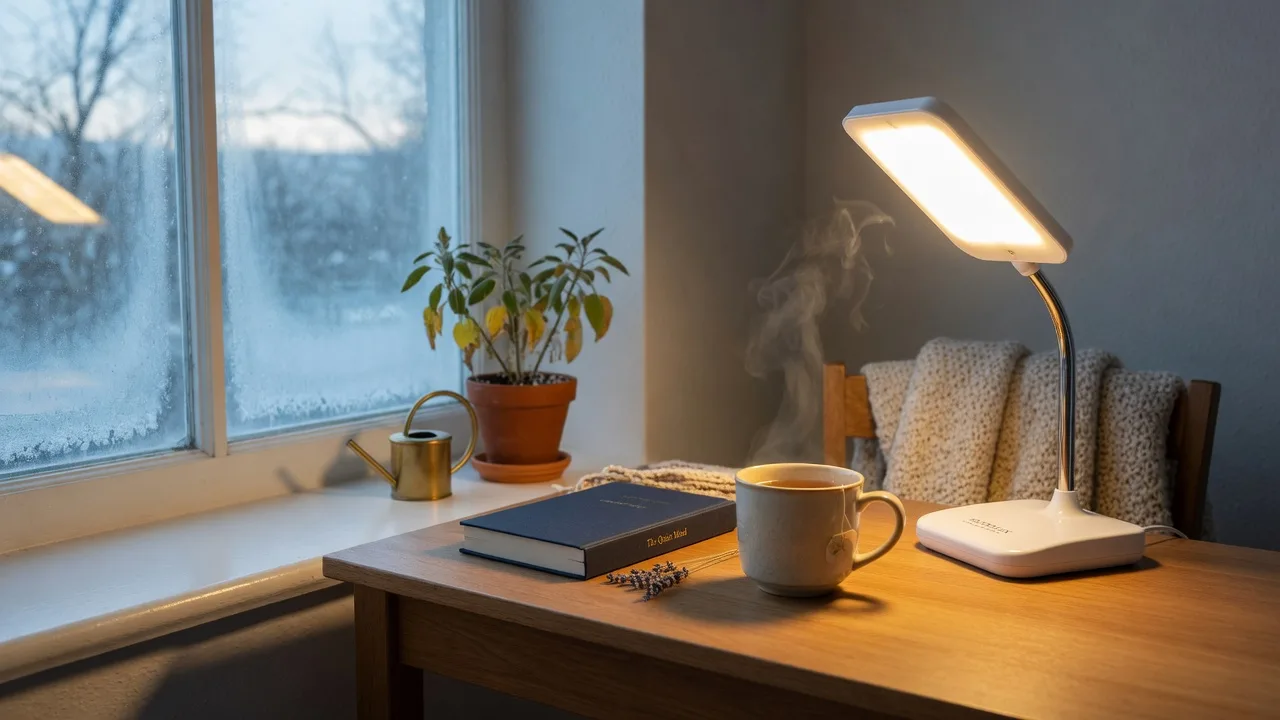
Seasonal affective disorder, often shortened to SAD, is a type of depression that comes and goes with the seasons, most commonly starting in the fall and lifting in the spring. It is more than the "winter blues": SAD involves a real change in mood, energy, and sleep that repeats at about the same time each year. Light therapy, cognitive behavioral therapy, and sometimes medication are the evidence-based treatments, and a primary care provider can help you figure out whether your symptoms fit SAD and what is most likely to help.
What is seasonal affective disorder?
Seasonal affective disorder is the everyday name for major depressive disorder with a seasonal pattern. Its symptoms begin and end at about the same times every year. The winter pattern, with symptoms arriving in fall and lifting in spring, is by far the most common; a smaller number of people have a summer pattern that starts in spring and ends in fall. The key feature is the reliable yearly rhythm, not simply feeling low on one gloomy day.
What are the symptoms of winter-pattern SAD?
Winter-pattern SAD looks much like depression, with a few patterns that stand out, especially low energy and oversleeping.
- Feeling sad, down, or listless most of the day, nearly every day
- Losing interest in activities you used to enjoy
- Low energy, heaviness, or sluggishness that makes the day feel hard
- Sleeping more than usual and struggling to wake up
- Craving carbohydrates, overeating, and weight gain
- Trouble concentrating and a tendency to withdraw socially
Who gets seasonal affective disorder?
SAD can affect anyone, but it is diagnosed more often in women than in men, and onset most commonly happens in young adulthood, roughly between ages 18 and 30. Living farther from the equator raises the risk, because winter daylight is much shorter at higher latitudes. A family or personal history of depression also increases the chance of a seasonal pattern. Even in Georgia, where winter days are milder, real seasonal depression can still occur.
How is seasonal affective disorder treated?
Treatment depends on whether the goal is relieving symptoms now or preventing them next autumn, and the evidence-based options are well established.
- Light therapy: a 10,000-lux white light box used for about 20 to 30 minutes each morning is the first-line treatment for winter-pattern SAD and often starts working within days to a few weeks
- Cognitive behavioral therapy adapted for SAD (CBT-SAD): comparable to light therapy in studies, with benefits that may last longer
- Medication: extended-release bupropion is the only medicine FDA-approved to prevent seasonal depression when started each autumn; antidepressants such as SSRIs are also used
- Supporting habits: regular exercise, a consistent sleep schedule, time outdoors during daylight, and staying connected all help, though they are usually part of a treatment plan rather than the whole plan
When should you talk with a provider about low mood?
If low mood, low energy, or loss of interest lasts more than two weeks, keeps returning at the same time of year, or gets in the way of work, school, or relationships, it is worth an appointment. Warning signs that need urgent attention include thoughts of harming yourself or that life is not worth living; if you are in crisis, call or text 988 (the Suicide and Crisis Lifeline) or 911. You do not need to have a diagnosis before reaching out, and primary care is a common and appropriate first stop.
How does TruHealth Primary Care help with seasonal affective disorder?
TruHealth provides primary care in Locust Grove, Georgia, and through telehealth for eligible Georgia patients. A visit for seasonal low mood starts with a careful conversation about your symptoms, sleep, energy, and how these change through the year, along with screening for depression and anxiety. From there the provider can discuss light therapy options, counseling, medication when appropriate, and referrals to specialized mental health care when needed. You are not in this alone, and the first step is simply booking a visit.
Frequently asked questions
What is the difference between seasonal affective disorder and the winter blues?
Does light therapy really work for SAD?
Can seasonal affective disorder be prevented?
Does TruHealth treat seasonal affective disorder?
Sources and further reading
- Seasonal Affective Disorder, National Institute of Mental Health (NIMH)
- Seasonal Affective Disorder: Diagnosis and Treatment, Mayo Clinic
- Extended-Release Bupropion for Preventing Seasonal Affective Disorder in Adults, American Family Physician
- Seasonal Affective Disorder: An Overview of Assessment and Treatment Approaches (PMC)
Educational purpose: This article is for general educational purposes and is not medical advice, diagnosis, or treatment. Always consult a qualified healthcare provider about your specific health situation.
About the author: Tina Jordan, MSN, APRN, FNP-C, is a board-certified Family Nurse Practitioner and the lead provider at TruHealth Primary Care in Locust Grove, Georgia.