
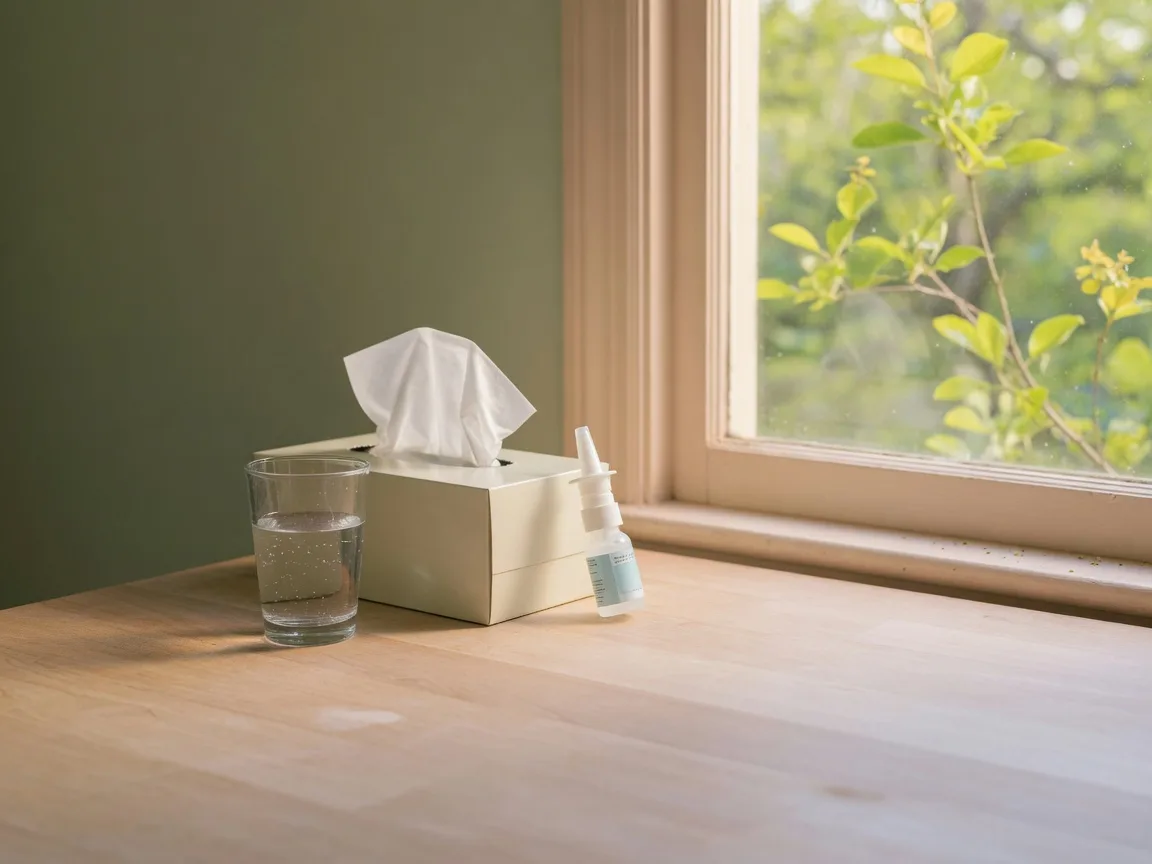
Seasonal allergies, also called allergic rhinitis or hay fever, happen when your immune system overreacts to pollen and other airborne allergens, causing sneezing, a runny or stuffy nose, itchy or watery eyes, and congestion. Georgia's warm, humid climate produces a long pollen season that can run from late winter into fall, with peaks in spring and late summer. Over-the-counter antihistamines, nasal sprays, and simple environmental steps help many people, and primary care can help when symptoms are persistent or hard to control. TruHealth Primary Care in Locust Grove, Georgia, can help you manage seasonal allergies as part of your overall care.
What causes seasonal allergies in Georgia?
Seasonal allergies are triggered by airborne pollen from trees, grasses, and weeds. In Georgia, tree pollen is a major trigger in late winter and spring, grass pollen in spring and summer, and weed pollen such as ragweed in late summer and fall. When your immune system treats these harmless pollens as a threat, it releases histamine and other chemicals that cause the familiar allergy symptoms.
- Tree pollen: late winter through spring
- Grass pollen: spring and summer
- Weed pollen such as ragweed: late summer and fall
- Mold spores can also contribute, especially in humid months
When is allergy season in Georgia?
Georgia's allergy season is long because of the warm, humid climate. Pollen counts are typically highest from mid-March through mid-April, but tree pollen can begin as early as February and ragweed can continue into the fall. Warmer winters have been linked to earlier tree pollen release and a longer overall season. If you know your triggers, starting your usual medication one to two weeks before the season begins can help you stay ahead of symptoms.
What are the common symptoms of seasonal allergies?
The most common symptoms are sneezing, a runny or stuffy nose, itchy or watery eyes, and an itchy throat or ears. Some people also feel pressure in the face or sinuses, have a dry cough, or feel tired. Allergy symptoms can resemble a cold, but allergies usually last longer, do not cause a fever, and often come on around the same time each year when a particular pollen is in the air.
What treatments are available for seasonal allergies?
Many people find relief with over-the-counter antihistamines, decongestants, nasal steroid sprays, and allergy eye drops. Nasal steroid sprays are especially effective for congestion and are often most helpful when used regularly during the season rather than only when symptoms appear. For persistent or severe symptoms, a provider can discuss prescription options and, in some cases, allergy immunotherapy such as allergy shots or drops. The right choice depends on your symptoms and health history.
- Antihistamines for sneezing, itching, and a runny nose
- Nasal steroid sprays for congestion, best used regularly
- Decongestants for short-term nasal congestion
- Allergy eye drops for itchy, watery eyes
How can you reduce pollen exposure at home?
Simple environmental steps can reduce how much pollen you breathe in. Keep windows closed during peak pollen times and use air conditioning with a clean filter, shower and change clothes after spending time outdoors, and limit outdoor activity during the highest pollen hours, often mid-morning to late afternoon. Keeping indoor humidity moderate can also help limit mold. These steps work best alongside your medication, not instead of it.
When should you see a provider about allergy symptoms?
See a provider if over-the-counter treatments are not controlling your symptoms, if allergies are interfering with sleep, work, or daily life, if you have asthma and allergies are making breathing worse, or if you are unsure whether your symptoms are allergies or something else. Persistent sinus pressure, facial pain, or a fever could point to a sinus infection that needs evaluation. A visit can help you build a more effective plan.
Frequently asked questions
When is allergy season in Georgia?
What are the most common allergy triggers in Georgia?
What is the best treatment for seasonal allergies?
Can primary care help with allergies?
Sources and further reading
Educational purpose: This article is for general educational purposes and is not medical advice, diagnosis, or treatment. Always consult a qualified healthcare provider about your specific health situation.
About the author: Tina Jordan, MSN, APRN, FNP-C, is a board-certified Family Nurse Practitioner and the lead provider at TruHealth Primary Care in Locust Grove, Georgia.